Book Details

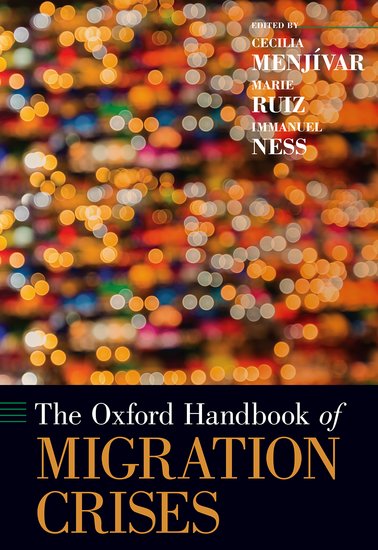
The Oxford Handbook of Migration Crises (2019)

Edited Collections

The Oxford Handbook of Migration Crises (2019)

Edited by: Dr. Cecilia Menjívar, Dr. Marie Ruiz, and Dr. Immanuel Ness

The objective of The Oxford Handbook of Migration Crises is to deconstruct, question, and redefine through a critical lens what is commonly understood as "migration crises." The volume covers a wide range of historical, economic, social, political, and environmental conditions that generate migration crises around the globe. At the same time, it...
Purchase This Book
Book Infromation

The objective of The Oxford Handbook of Migration Crises is to deconstruct, question, and redefine through a critical lens what is commonly understood as "migration crises." The volume covers a wide range of historical, economic, social, political, and environmental conditions that generate migration crises around the globe. At the same time, it illuminates how the media and public officials play a major role in framing migratory flows as crises. The volume brings together an exceptional group of scholars from around the world to critically examine migration crises and to revisit the notion of crisis through the context in which permanent and non-permanent migration flows occur. The Oxford Handbook of Migration Crises offers an understanding of individuals in societies, socio-economic structures, and group processes. Focusing on migrants' departures and arrivals in all continents, this comprehensive handbook explores the social dynamics of migration crises, with an emphasis on factors that propel these flows as well as the actors that play a role in classifying them and in addressing them. The volume is organized into nine sections. The first section provides a historical overview of the link between migration and crises. The second looks at how migration crises are constructed, while the third section contextualizes the causes and effects of protracted conflicts in producing crises. The fourth focuses on the role of climate and the environment in generating migration crises, while the fifth section examines these migratory flows in migration corridors and transit countries. The sixth section looks at policy responses to migratory flows, The last three sections look at the role media and visual culture, gender, and immigrant incorporation play in migration crises.

About Author

Cecilia Menjívar holds the Dorothy L. Meier Endowed Chair at UCLA, where she is a Professor of Sociology. Her research focuses on the role of the state in creating liminal legal statuses and immigrants' experiences of vulnerable legal statuses. Empirically, she focuses on Central American migration to the United States.  Marie Ruiz is Associate Professor in British Social History at the Université de Picardie Jules Verne, France. Her research focuses on 19th century British female emigration societies.  Immanuel Ness is Professor of political science at Brooklyn College of the City University of New York and Senior Research Associate at the Centre for Social Change, University of Johannesburg. His research focuses on labour migration, Global South and global political economy. Contributors: Dalia Abdelhady, Lund University Leisy J. Abrego, University of California, Los Angeles Olayinka Akanle, University of Ibadan Idil Atak, Ryerson University Jen Bagelman, University of Exeter Pascale Baligand, Université Paris Diderot Tanya Basok, University of Windsor Daniele Bélanger, Université Laval Pablo S. Bose, University of Vermont Ulbe Bosma, International Institute of Social History John R. Campbell, School of Oriental and African Studies Céline Cantat, Central European University Xavier Casademont Falguera, University of Girona Jock Collins, University of Technology Sydney Laurence Cros, Université Paris Diderot Heike Drotbohm, Johannes Gutenberg-Universität Mainz Olugbenga Samuel Falase, Lead City University Carol Farbotko, Commonwealth Scientific and Industrial Research Organisation (CSIRO) Jordi Feu Gelis, University of Girona Caroline Fleay, Curtin University Eric Fong, The Chinese University of Hong Kong Jane Freedman, Université Paris 8 Christiane Fröhlich, Universität Hamburg Ruchira Ganguly-Scrase, RMIT University Ines Hasselberg, University of Minho Dirk Hoerder, Arizona State University Zeynep Kivilcim, Berlin Institute for Advanced Study Silja Klepp, Christian-Albrechts-Universität zu Kiel Yingtong Lai, Chinese University of Hong Kong Rachel A. Lewis, George Mason University Aijia Li, Chinese University of Hong Kong John Lie, University of California, Berkeley Domenico Maddaloni, University of Salerno Celia McMichael, University of Melbourne Karen E. McNamara, University of Queensland Cecilia Menjívar, University of California, Los Angeles Claudio Minca, Macquarie University Grazia Moffa, University of Salerno Richard C.M. Mole, University College London Maria Cristina Morales, University of Texas at El Paso Stephanie J. Nawyn, Michigan State University Immanuel Ness, Brooklyn College Ayokunle Olumuyiwa Omobowale, University of Ibadan Mofeyisara Oluwatoyin Omobowale, University of Ibadan William Outhwaite, Newcastle University M. Dolores Paris-Pombo, Colegio de la Frontera Norte Oscar Prieto-Flores, University of Girona S. Irudaya Rajan, Centre for Development Studies Prem Kumar Rajaram, Central European University Smriti Rao, Assumption College Eric Richards, Flinders University Isabelle Rigoni, INS HEA/ Grhapes Marie Ruiz, Université de Picardie Jules Verne Alex Sager, Portland State University Danica Santic, University of Belgrade Cenk Saracoglu, Ankara University Caress Schenk, Nazarbayev University Marlou Schrover, Leiden University Laura Jeanne Sims, Université de Picardie Jules Verne Ninna Nyberg Sorensen, Danish Institute for International Studies Claudia Tazreiter, University of New South Wales Inga K. Thiemann, University of Exeter Dragan Umek, University of Trieste Vamsi Vakulabharanam, University of Massachusetts Amherst Marko Valenta, Norwegian University of Science and Technology Floris Vermeulen, University of Amsterdam Martha Luz Rojas Wiesner, El Colegio de la Frontera Sur Ailsa Winton, El Colegio de la Frontera Sur Caroline Zickgraf, Université de Liège Drago Zuparic-Iljic, Institute for Migration and Ethnic Studies.

Book Overview
ASIN ‏ : B07M7PGQ4Y
Publisher ‏ : Oxford University Press
Publication date ‏ :  16 January 2019
Edition ‏ : 1st
Language ‏ : English
File size ‏ : 4.7 MB
Screen Reader ‏ : Supported
Print length ‏ :  948 pages 

Similar Books

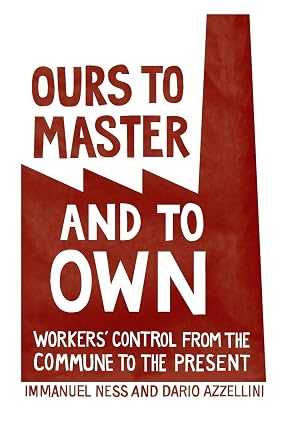
Ours to Master and to Own Workers` Control from the Commune to the Present

Ours to Master and to Own Workers` Control from the Commune to the Present

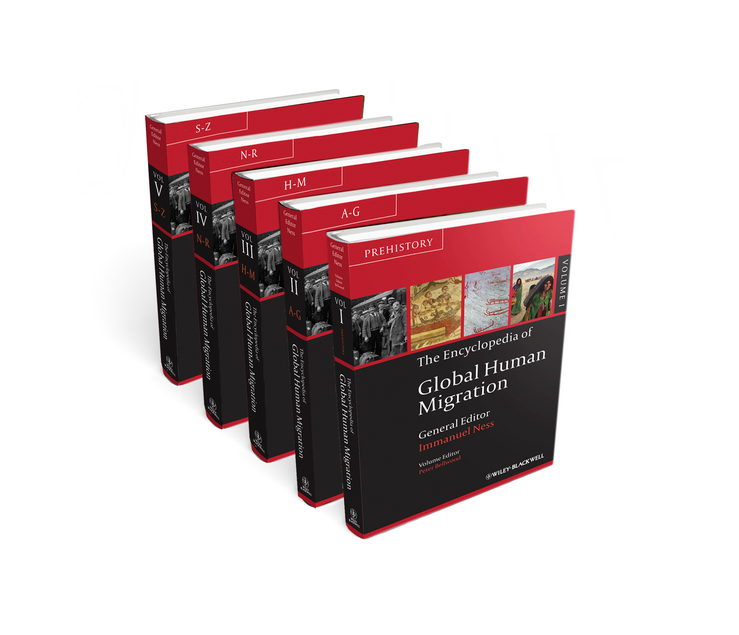
The Encyclopedia of Global Human Migration (2013)
The Encyclopedia of Global Human Migration (2013)

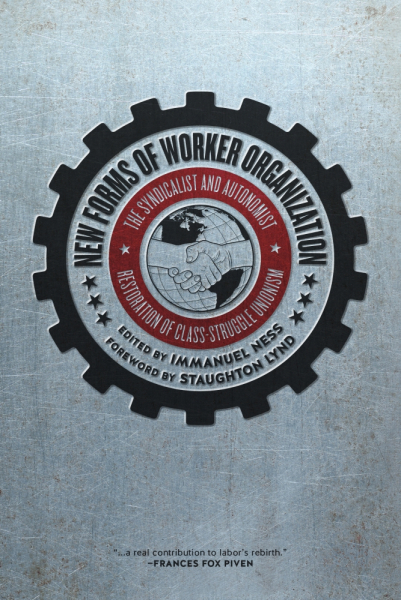
New Forms of Worker Organization: The Syndicalist and Autonomist Restoration of Class Struggle Unionism (2014)
New Forms of Worker Organization: The Syndicalist and Autonomist Restoration of Class Struggle Unionism (2014)

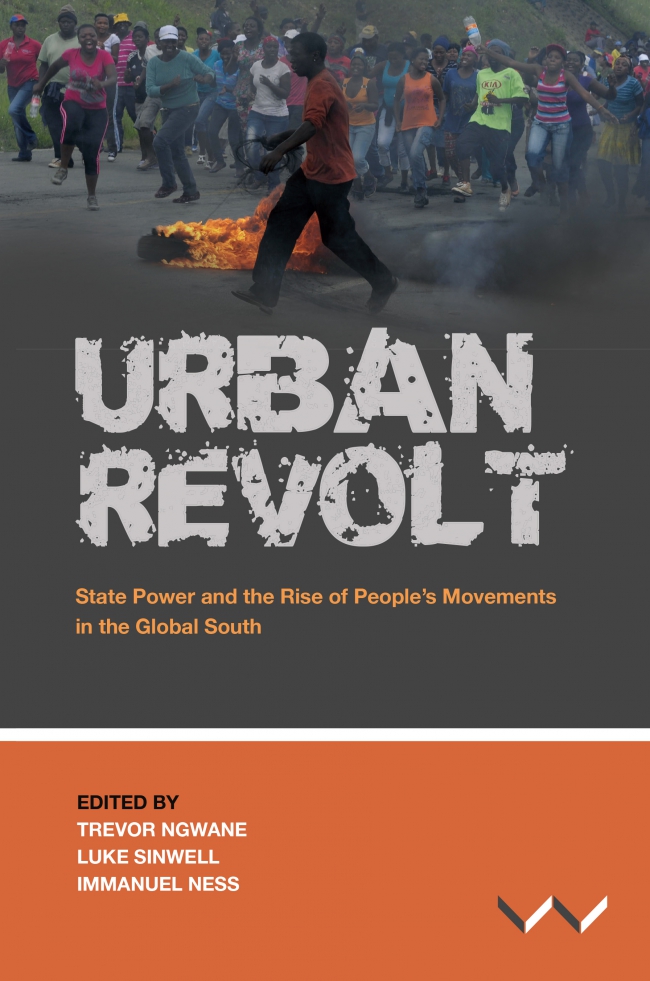
Urban Revolt: State Power and the Rise of People's Movements in the Global South (2017)
Urban Revolt: State Power and the Rise of People's Movements in the Global South (2017)

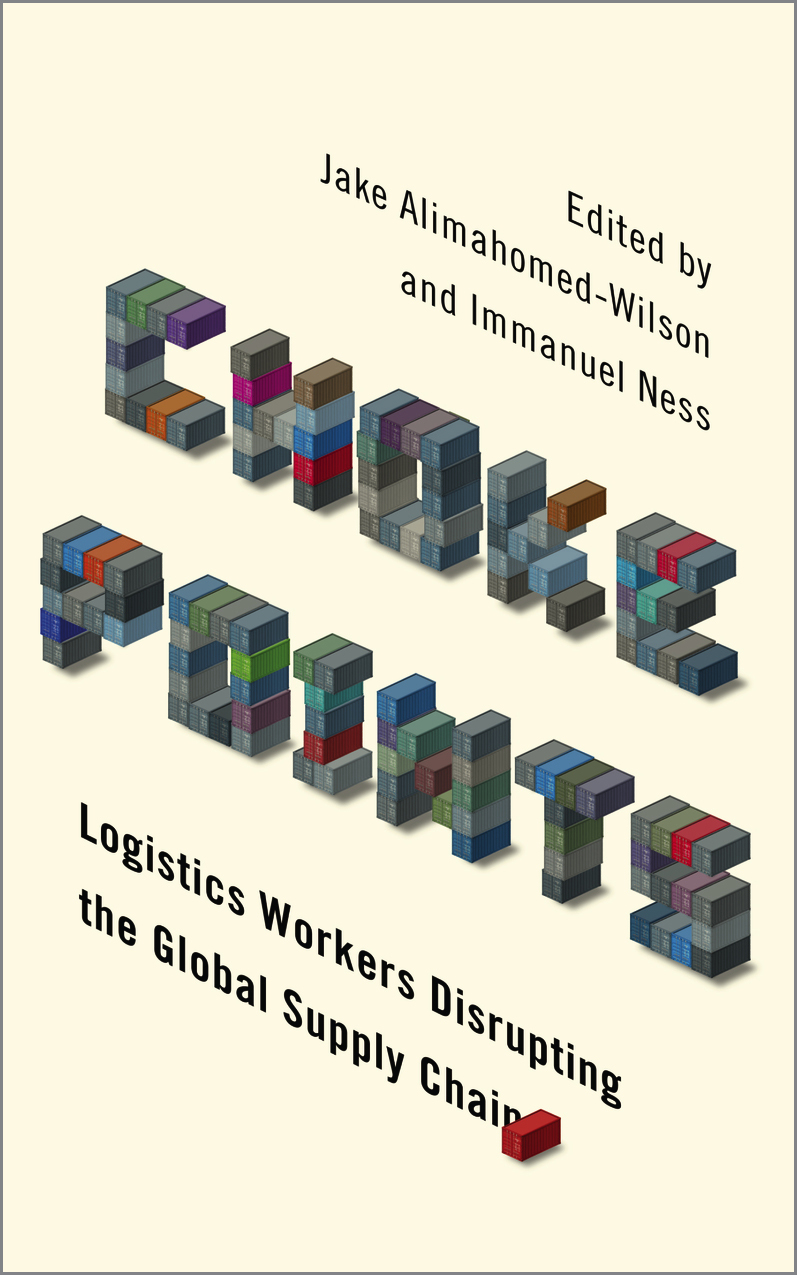
Choke Points Logistics Workers Disrupting the Global Supply Chain (2018)
Choke Points Logistics Workers Disrupting the Global Supply Chain (2018)

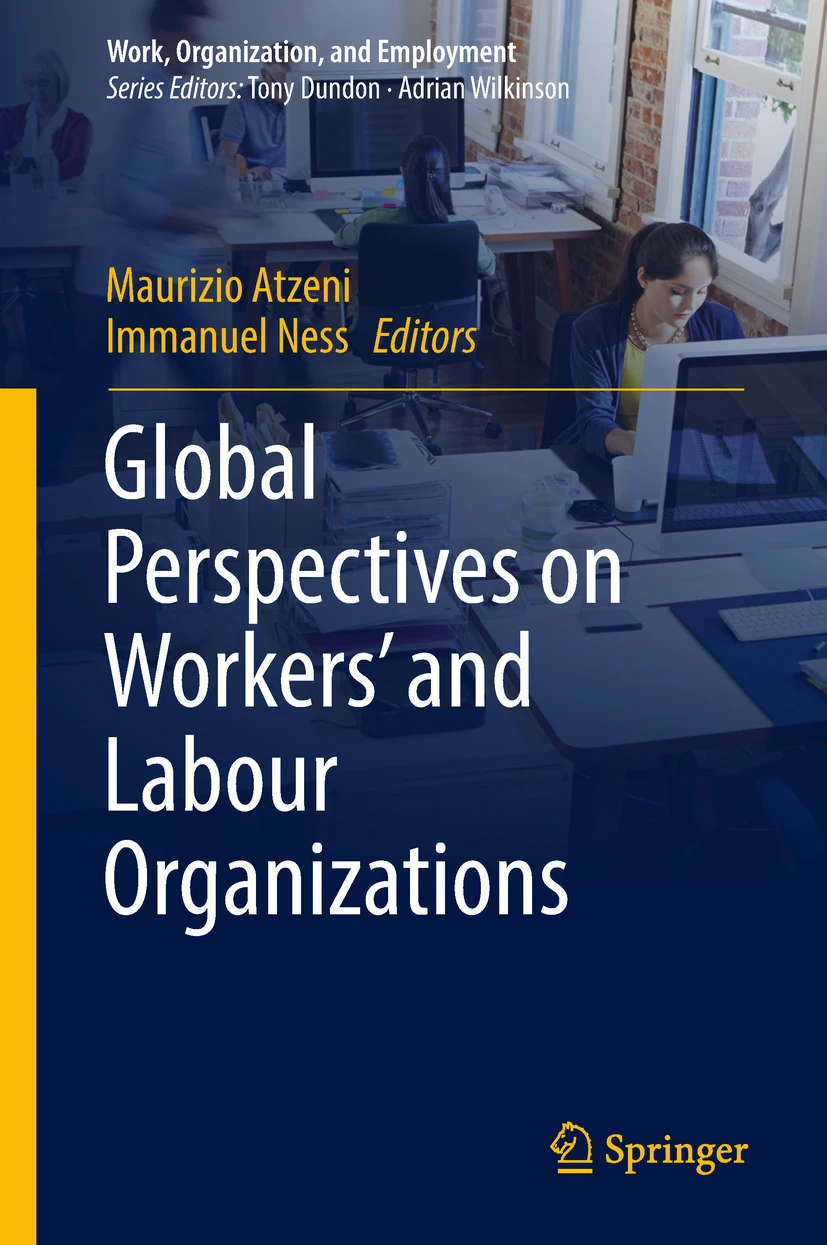
Global Perspectives on Workers` and Labour Organizations (2018)
Global Perspectives on Workers` and Labour Organizations (2018)

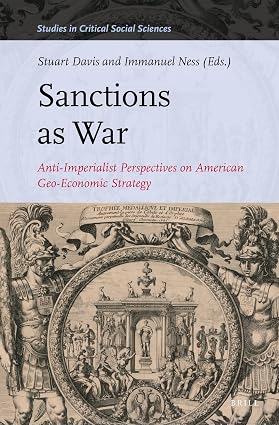
Sanctions as War Anti-Imperialist Perspectives on American Geo-Economic Strategy (2023)
Sanctions as War Anti-Imperialist Perspectives on American Geo-Economic Strategy (2023)

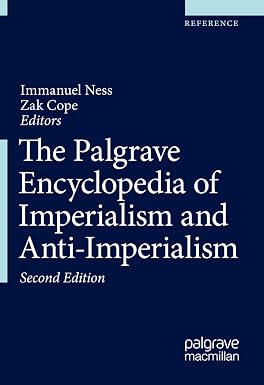
The Palgrave Encyclopedia of Imperialism and Anti-Imperialism

The Palgrave Encyclopedia of Imperialism and Anti-Imperialism

Immanuel Ness
WhatsApp Us